Correcting rotations
Rotated teeth are turned back into their correct position.
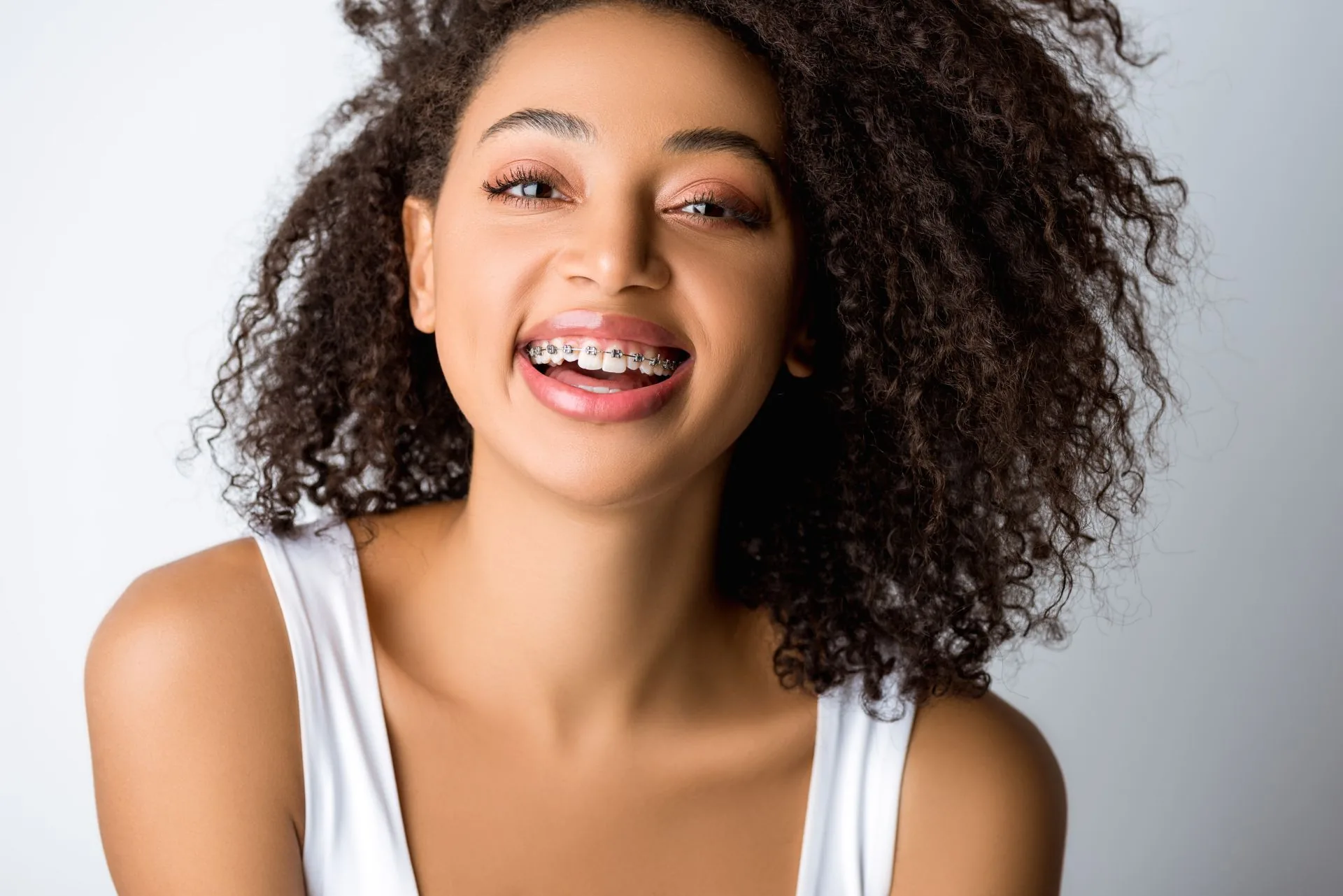
Modern procedures make tooth correction in teenagers faster, gentler and above all more discreet – from the coloured bracket brace to the virtually invisible aligner.
Regular orthodontic treatment is usually started before the end of pubertal growth, at around the age of nine to twelve. As long as jaw growth is not yet complete, misalignments can be corrected more easily.
We accompany teenagers throughout the entire treatment period – with regular check-ups and a therapy that fits into everyday life between school, sport and free time.
Whether a removable and/or a fixed brace is used depends on the diagnosis and on the individual situation. Smaller misalignments of the teeth as well as anomalies of the jaw can often be resolved with removable braces.
For more extensive treatment in the permanent dentition, fixed braces are recommended in order to correct anomalies and misalignments reliably.
Which steps are necessary is something we determine together with you after recording the findings.
Rotated teeth are turned back into their correct position.
Teeth that are at an angle in the jaw are realigned.
Teeth that do not find their way into the dental arch on their own are specifically positioned.
By lengthening or shortening individual teeth the bite is brought into harmony.
A gap between the dental arches when biting together is specifically closed.
Depending on the space available, gaps are closed or kept open for later dental restorations.
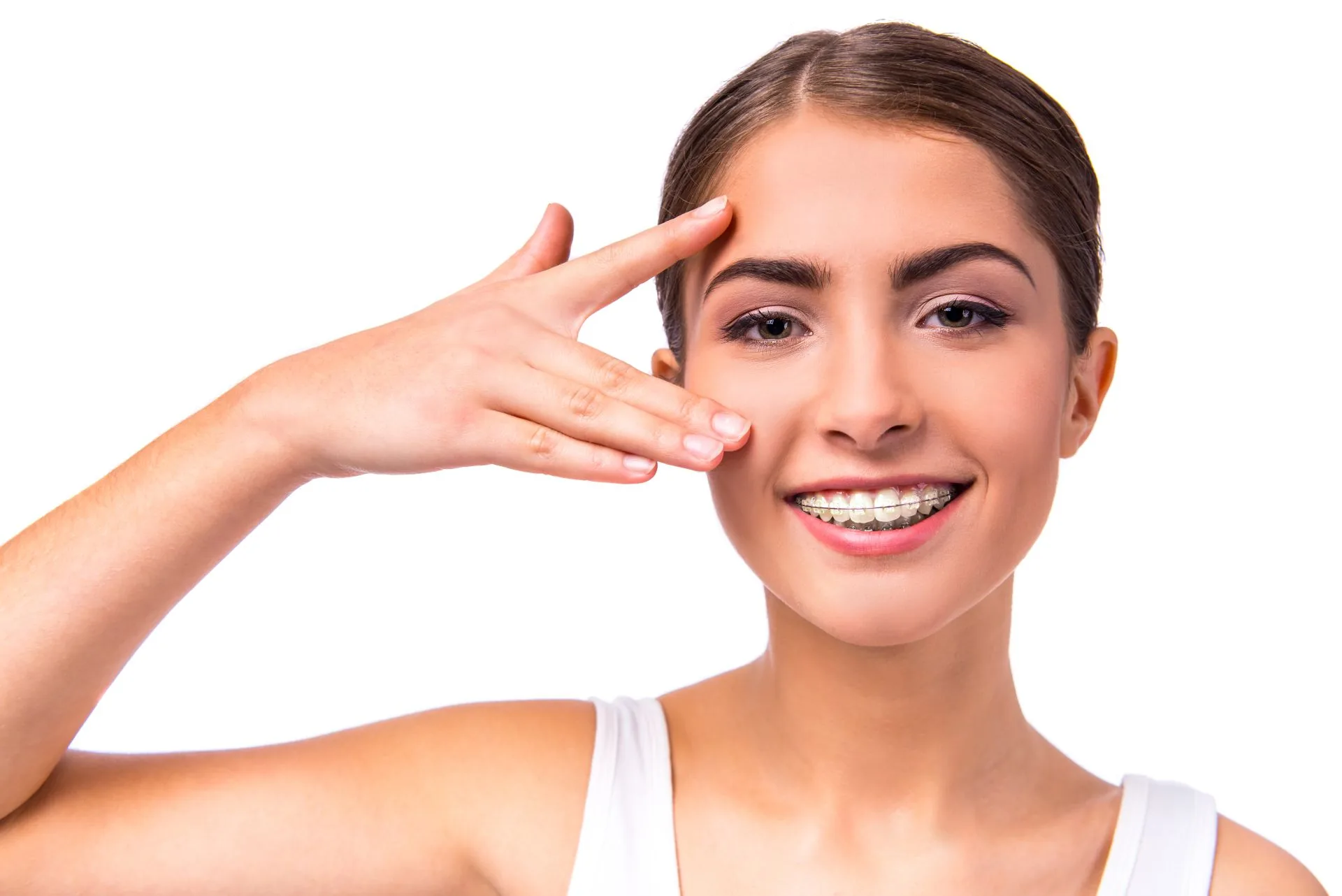
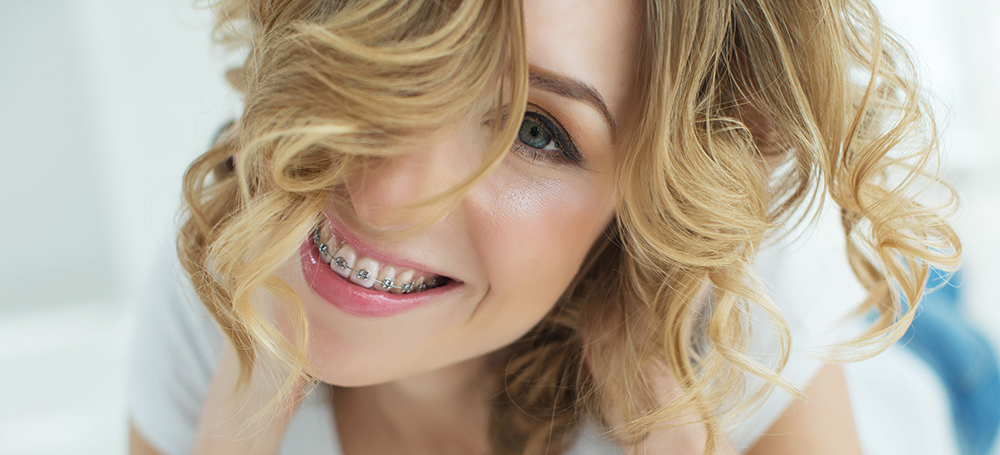
A fixed brace consists of brackets made of metal, ceramic or plastic that are bonded onto the teeth. From discreet and inconspicuous to bold and colourful, we offer individual colour options.
Alongside the silver-coloured brackets used as standard, aesthetically appealing, tooth-coloured ceramic brackets can be bonded as an alternative. They do not discolour even when worn for a longer period, because unlike plastic brackets the material does not absorb colourings from food.
The lingual technique makes it possible to attach the brackets familiar from fixed braces on the inner side of the teeth instead of the outer side – in other words on the tooth surface facing the tongue.
This makes the brace virtually invisible and means it does not limit aesthetics in everyday life, at school or in private life. Teenagers in particular, who find a visible brace unpleasant, benefit from this option.
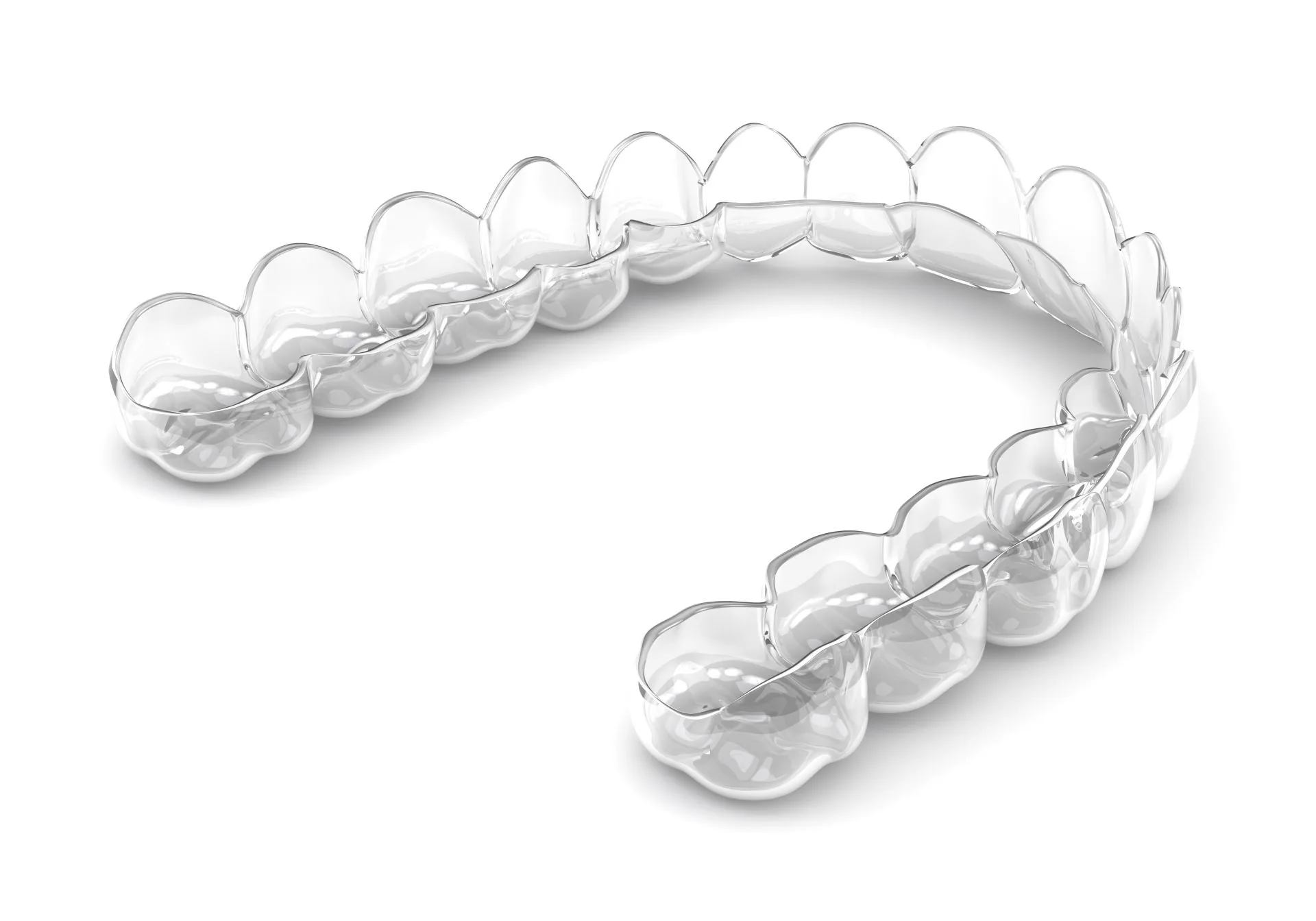
We offer young patients a discreet correction with individually fitted aligners. The clear, virtually invisible aligners are hardly noticed in everyday life and allow an elegant correction without attracting attention.
The wafer-thin aligners fit precisely, are pleasant to wear and do not get in the way when speaking or laughing.

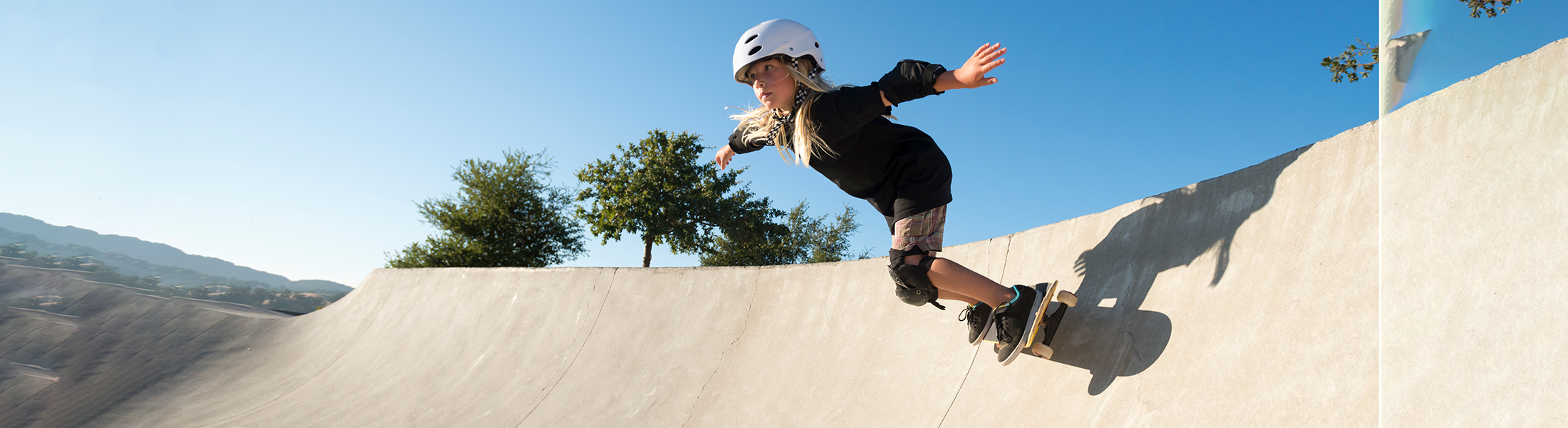
A sports mouthguard is recommended for children, teenagers and patients who are active in sport. In many kinds of sport there is a considerable risk of injury to the lips, cheeks, tongue and teeth.
95 % of all dental injuries occur before the age of 21. For fans of inline skating or skateboarding in particular, a precisely fitting mouthguard protects against unnecessary tooth loss as well as against annoying injuries and fractures of the teeth.
We make the mouthguard individually from an impression – including a version that fits over a fixed brace.